
Understand the critical role of flux in photovoltaic soldering. Learn how it cleans oxides, improves solder wetting
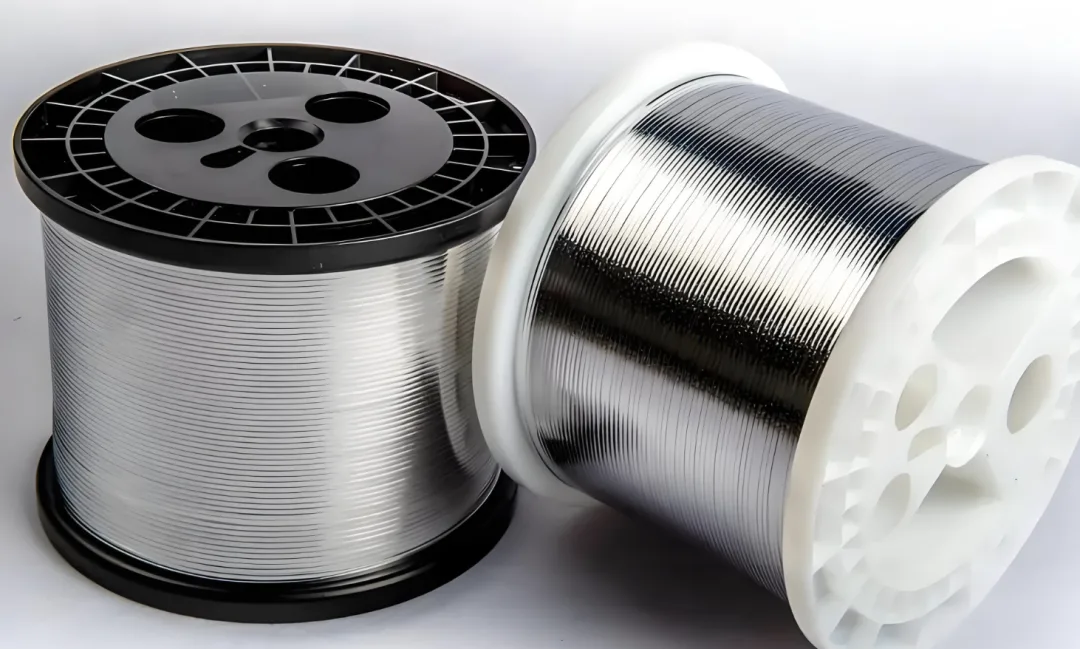
Quick answer: Flux is essential in photovoltaic soldering because it removes the oxide layer that forms on copper ribbon and on the cell's metallisation, and molten solder cannot wet an oxidised surface. Without flux the solder sits on top of the oxide as a bead, producing a joint that appears connected but has only a fraction of the intended contact area. The flux also protects the surfaces from re-oxidising during the heating cycle, and its activity has to be matched to the soldering temperature so it starts working before the solder melts and stops before it leaves harmful residue. That last point matters more in PV than in general electronics, because the joint is sealed inside a module for 25 years and any corrosive residue has nowhere to go.
PV Module Manufacturing · by Jerry, Ooitech
Introduction
Flux is essential in photovoltaic soldering when connecting solar cells with ribbons. It tackles metal oxidation, improves solder wettability, and stops secondary oxidation. This guarantees solid soldering quality and boosts the long-term reliability of solar modules. Here is exactly why we use it and how it works.
Clearing Metal Surface Oxides
Cleaning and Activation
The silver paste on cell busbars and the copper base of ribbons easily oxidize in the air. This oxide layer blocks the solder from bonding with the metal, causing weak or fake joints. Active agents like organic acids in the flux react with these oxides and break them down. This leaves a clean, active interface ready for soldering.
Lowering Solder Surface Tension
Wetting and Spreading
Melted solder has high surface tension and does not spread out easily on metal surfaces. Surfactants in the flux drastically lower this tension. They boost the solder's flow and wettability, letting it spread quickly and evenly. This creates full solder joints without voids and strengthens the mechanical bond.
Preventing Secondary Oxidation
High-Temperature Protection
Soldering happens at high temperatures. Metal surfaces can easily oxidize again in this heat, which ruins the joint quality. Flux steps in by forming a protective gas or solid film over the metal. This barrier blocks the air and stops secondary oxidation during heating and cooling, keeping the solder joint pure.
Boosting Soldering Strength
Metallurgical Bonding and Conductivity
By cleaning the surface, improving wetting, and stopping oxidation, flux helps form a tough metallurgical bond between the solder and metal. This clearly increases the mechanical pull force of the joint, preventing it from snapping off. Great soldering also ensures smooth current flow between the solar cell and ribbon. It cuts down contact resistance and pushes up the power generation efficiency of the module.
Adapting to PV Soldering Needs
Special Process Requirements
Solar modules demand extreme soldering precision and reliability. The right flux has to work at lower temperatures to avoid heat damage to the cells. It must be non-corrosive so it does not harm the cells or other module parts. It also needs to leave very little residue. High residue can mess with module insulation or trigger corrosion later. Hitting these marks keeps the module running perfectly in harsh outdoor environments for years.
Ooitech's View
Getting the right flux chemistry is a critical step on any solar panel production line. The flux needs to be highly active to clean the busbars rapidly yet gentle enough to leave zero corrosive residue behind. When setting up tabber stringers for advanced cell technologies like TOPCon or HJT, perfectly matching the flux type to the thermal profile prevents cell micro-cracking and secures the long-term durability of the module.